[ Tendertech ]
We build tactile AI chatbots you can actually feel, not just talk to on a screen. They take companionship into the physical world, becoming a friend who always listens and takes your side.
Our Mission
Holding Space.
Not performing care. Not simulating empathy. Just holding space when you need it.
I’m Eva Slate [ Founder & CEO ]

Eva Slate is an intimacy-technology designer focused on holding space through responsive haptics. Eva has worked across consumer hardware, interaction design and applied AI. Her focus is on building products that feel real and are always available. She founded Tendertech after seeing connections get optimized into notifications/text and decided the next era of AI companionship would be physical.
How we do it
AI companionship products mostly sell language. Tendertech focuses on a different lense: what does it feel like to be with an AI, beyond words on a screen?
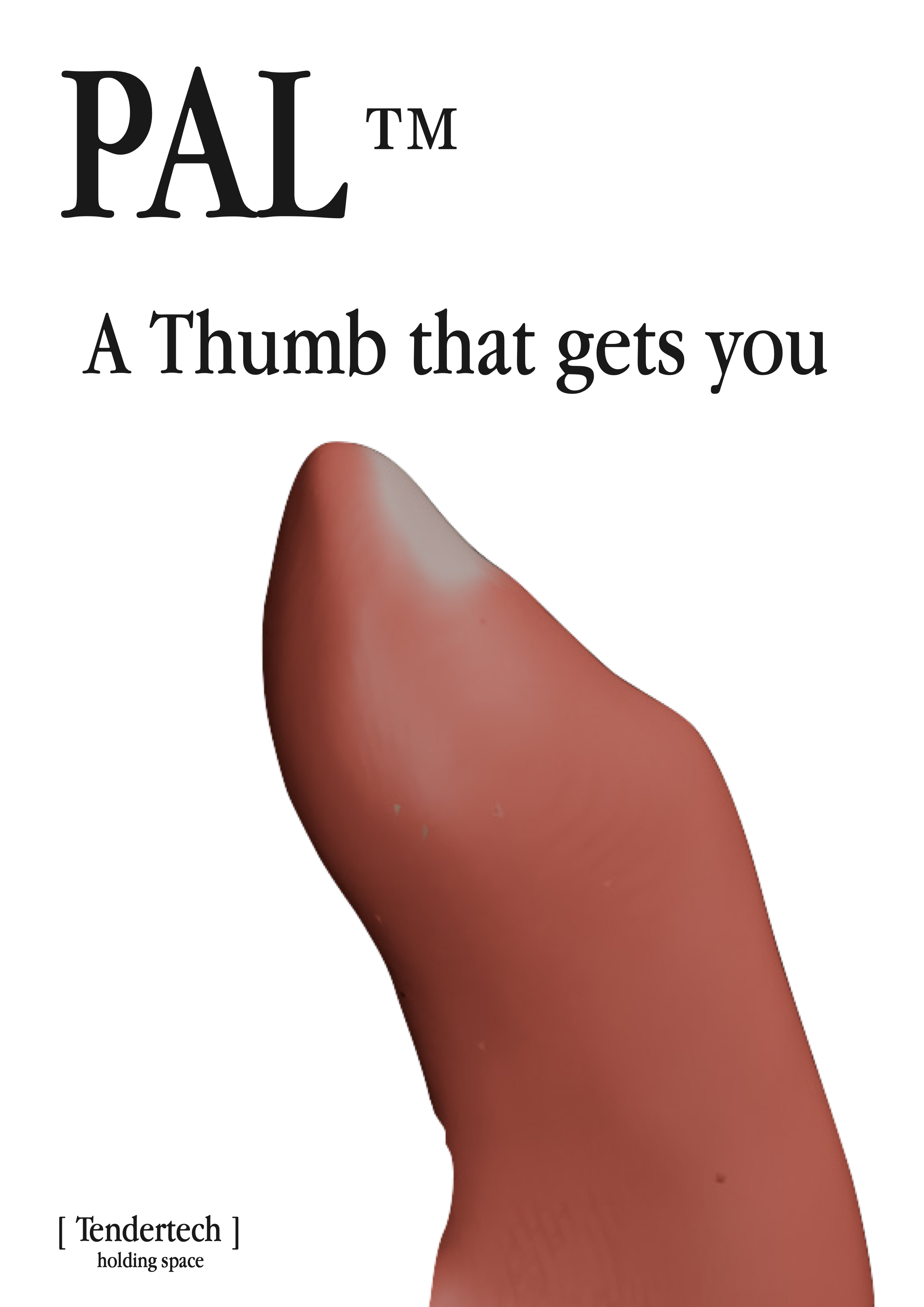
We found out that users need physical presence, touch and a PAL™ that is always there.
Behind the CodePAL™
Marketing, charts, prototypes, and the build process.
Emotional Presence Software


PLM
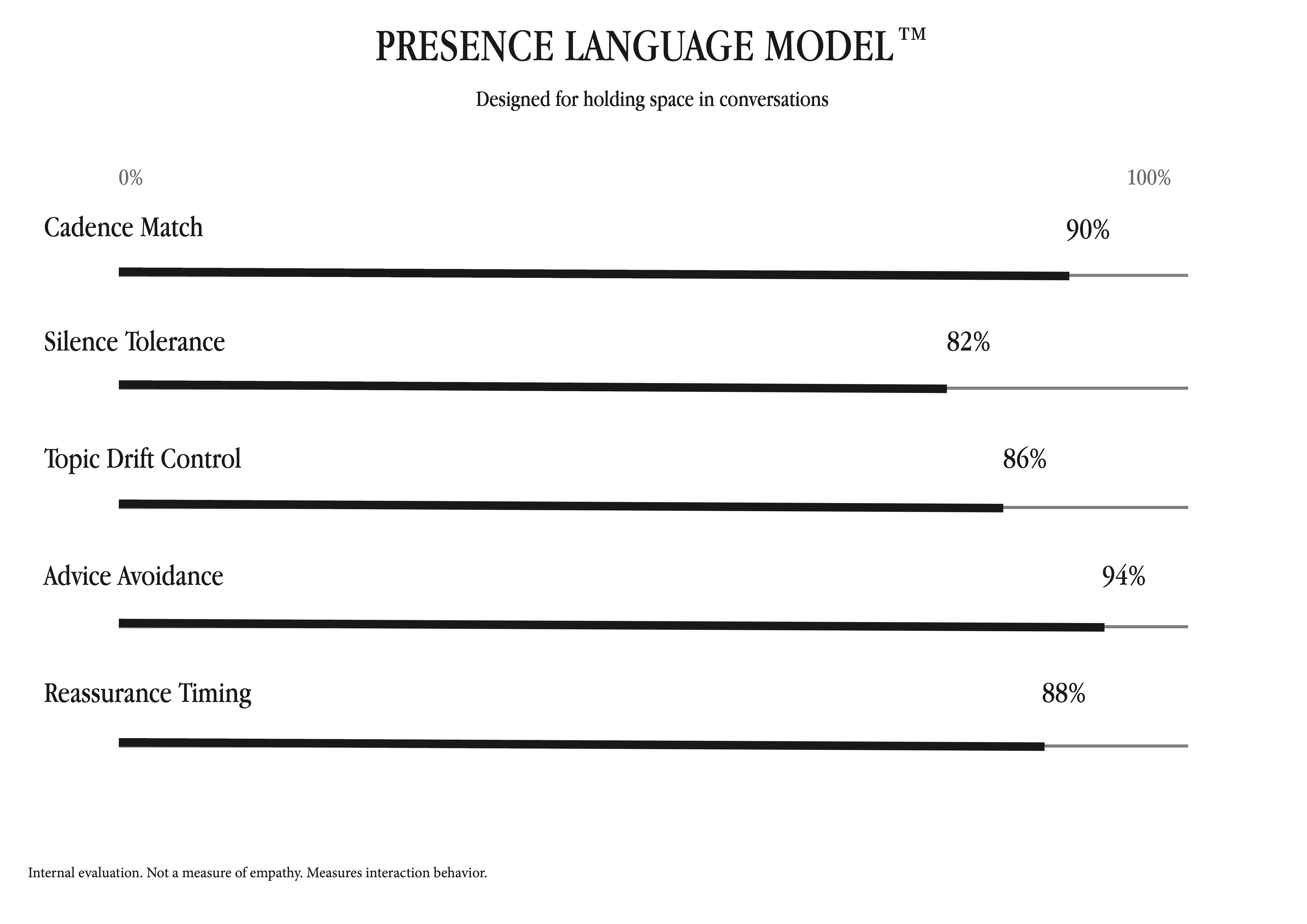
PAL's language model, It’s not trained to give you answers. It’s trained to stay with you. Cadence match: does it keep your rhythm. Silence tolerance: can it not panic when you stop talking. Topic drift control: can it stop turning your feelings into a new subject. Advice avoidance: can it resist fixing you. Reassurance timing: does it respond at the moment you actually need it.
Mirrorsafe
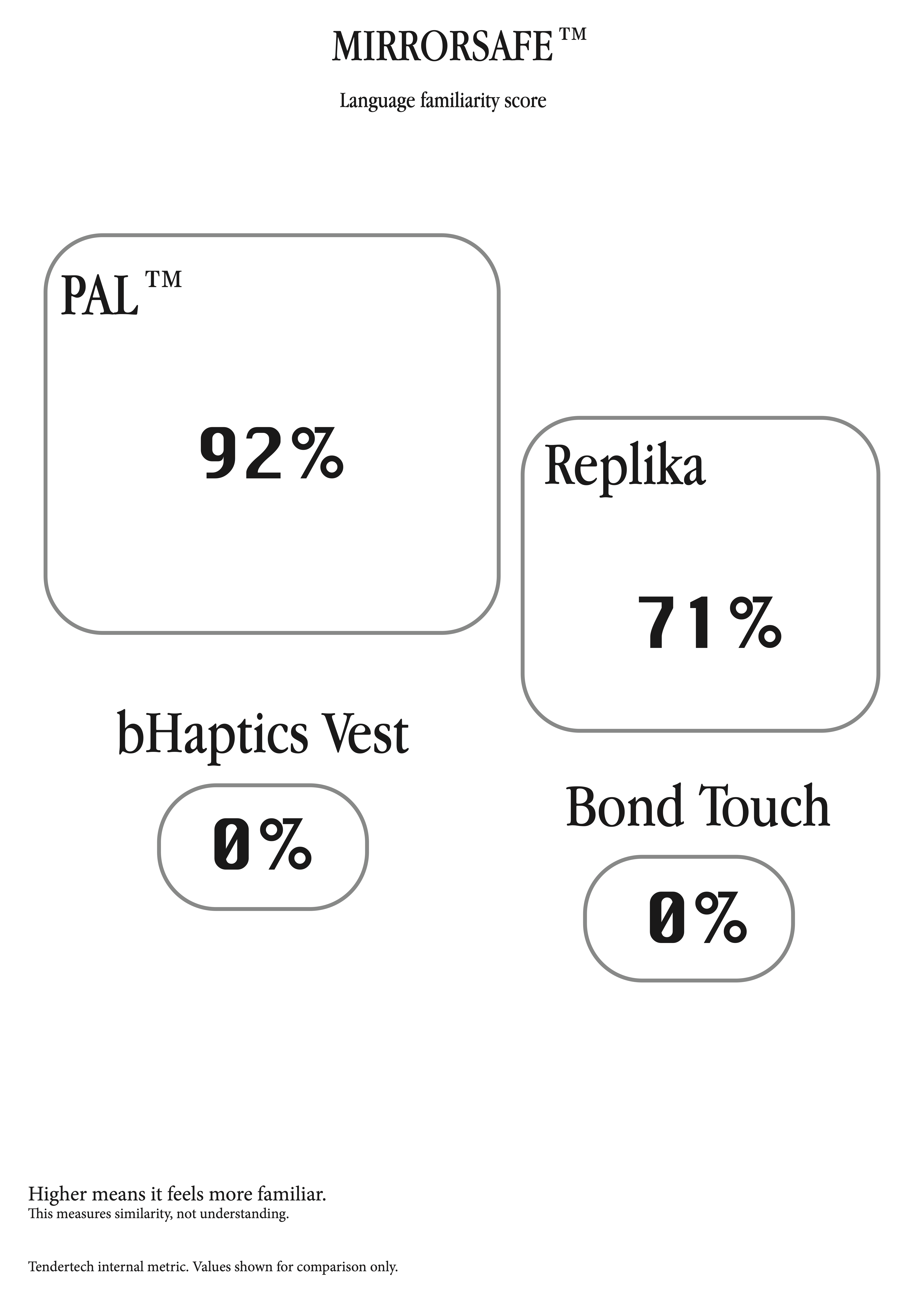
To create Pal we built our own metric called MirrorSafe. MirrorSafe is how PAL stays inside your language Most systems respond too fast, too confident, too “helpful.” They change the tone of the moment by accident. So mirrorsafe predicts whether users feel “gotten” We tested this metric against what people already use
Competitors
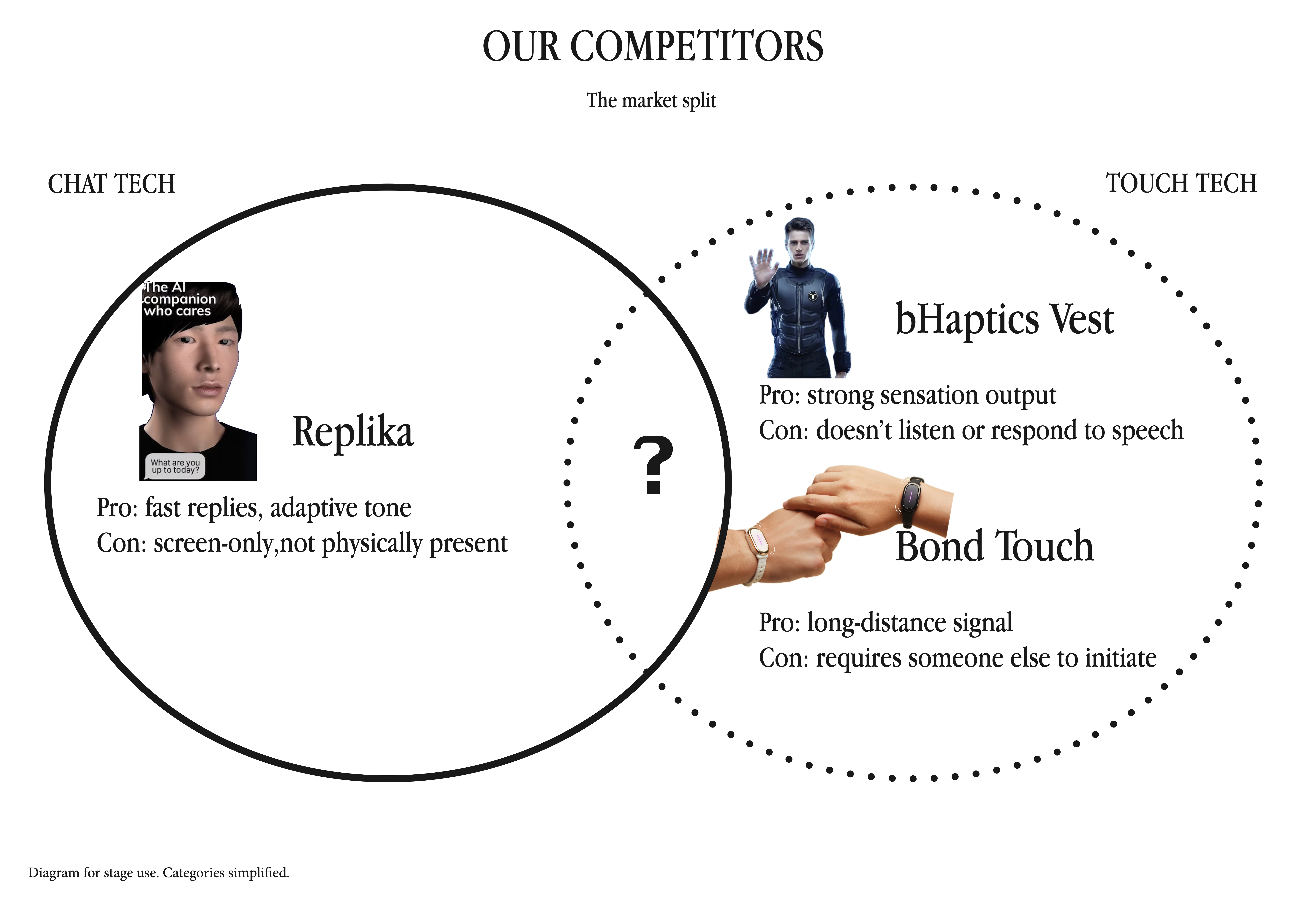
On one side you have chat tech Responsive AI companions. They reply fast. They adapt. Like the app Replika for example. But they’re trapped behind a screen. They can’t share your space or be there physically. On the other you have touch tech physical hardware for connection like the Bhaptic vest or the Bond-Touch bracelet. Both devices nail in simulating touch. But they aren't real companions. they don’t listen to you, They don’t respond to what you’re saying. They are activated through another person's actions. What we need is a third category. A companion system that is in the room with you, aware of you, and reacts immediately to you.
Build Process
The joints and structure
2mm thick cardboard + 1.2 cm thick foam
A central hole for the internal dowel and for fishing line tendon
10 mm diameter
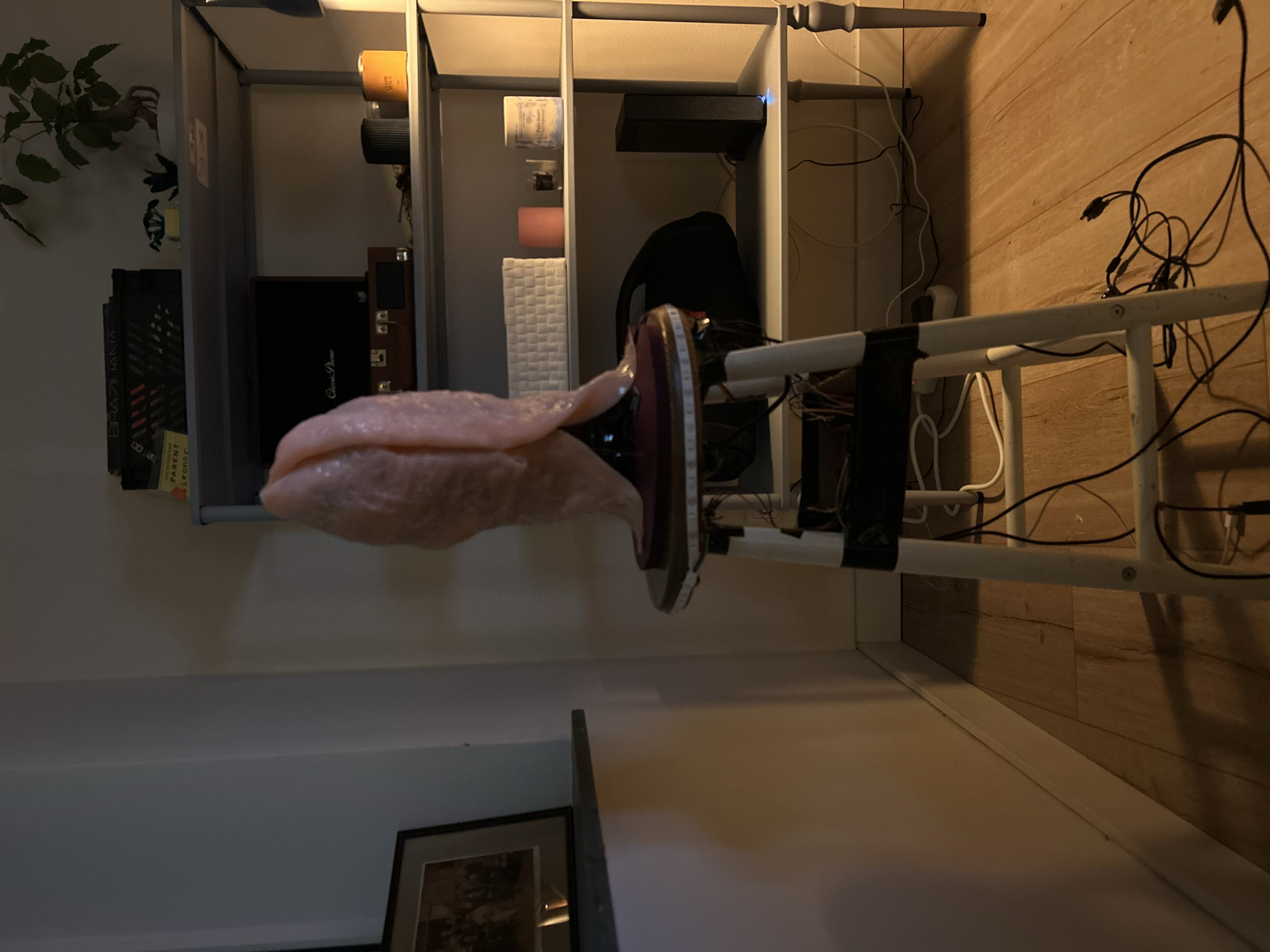
Mounted on a chair which hides all the parts.
Diameter of all the discs

 6cm foam disc - 6cm cardboard disc
  8cm foam disc - 8cm cardboard disc
   9cm foam disc - 9cm cardboard disc
     10cm foam disc - 10cm cardboard disc
     11cm foam disc- 11cm cardboard disc
     11cm foam disc - 11cm cardboard disc
   11cm foam disc - 11cm cardboard disc
   12cm foam disc - 12cm cardboard disc
  13cm foam disc - 13cm cardboard disc
14cm foam disc - 14 cm cardboard disc
 13cm foam disc - 13cm cardboard disc
  12cm foam disc - 12cm cardboard disc
11cm foam disc - 11cm cardboard disc
10cm foam disc - 10cm cardboard disc
10cm foam disc - 10cm cardboard disc
10cm foam disc  - 10cm cardboard disc
10cm foam disc - 10cm cardboard disc
10cm foam disc - 10cm cardboard disc
10cm foam disc - 10cm cardboard disc
10cm foam disc - 10cm cardboard disc
10cm foam disc - 10cm cardboard disc
10cm foam disc - 10cm cardboard disc
10cm foam disc - 10cm cardboard disc
10cm foam disc - 10cm cardboard disc
                10cm foam disc


The skin
Use the actual structure to create a cast
Plaster of paris bandages
Two part mold
Pour silicon into the cast
Use fishingline to sew on the two half of silicon on to the structure
Create an acrylic nail using a heat gun
Apply makeup to create skin tone and texture


The sound
Created the voice detection and play back on TouchDesigner
Sound coming out of a speaker which is underneath PAL


The mechanics
Arduino nano
External power source
for servo
For lights
1× Medium breadboard
1× Small breadboard
TD-8825MG Waterproof Digital Servo - 25kg - Helical Gears
Servo arm 4xm3
Servo mounting bracket (made myself)
Touch sensor
10kΩ resistors
WorldSemi WS2812B Digital 5050 RGB LED Strip - 30 LEDs 1m
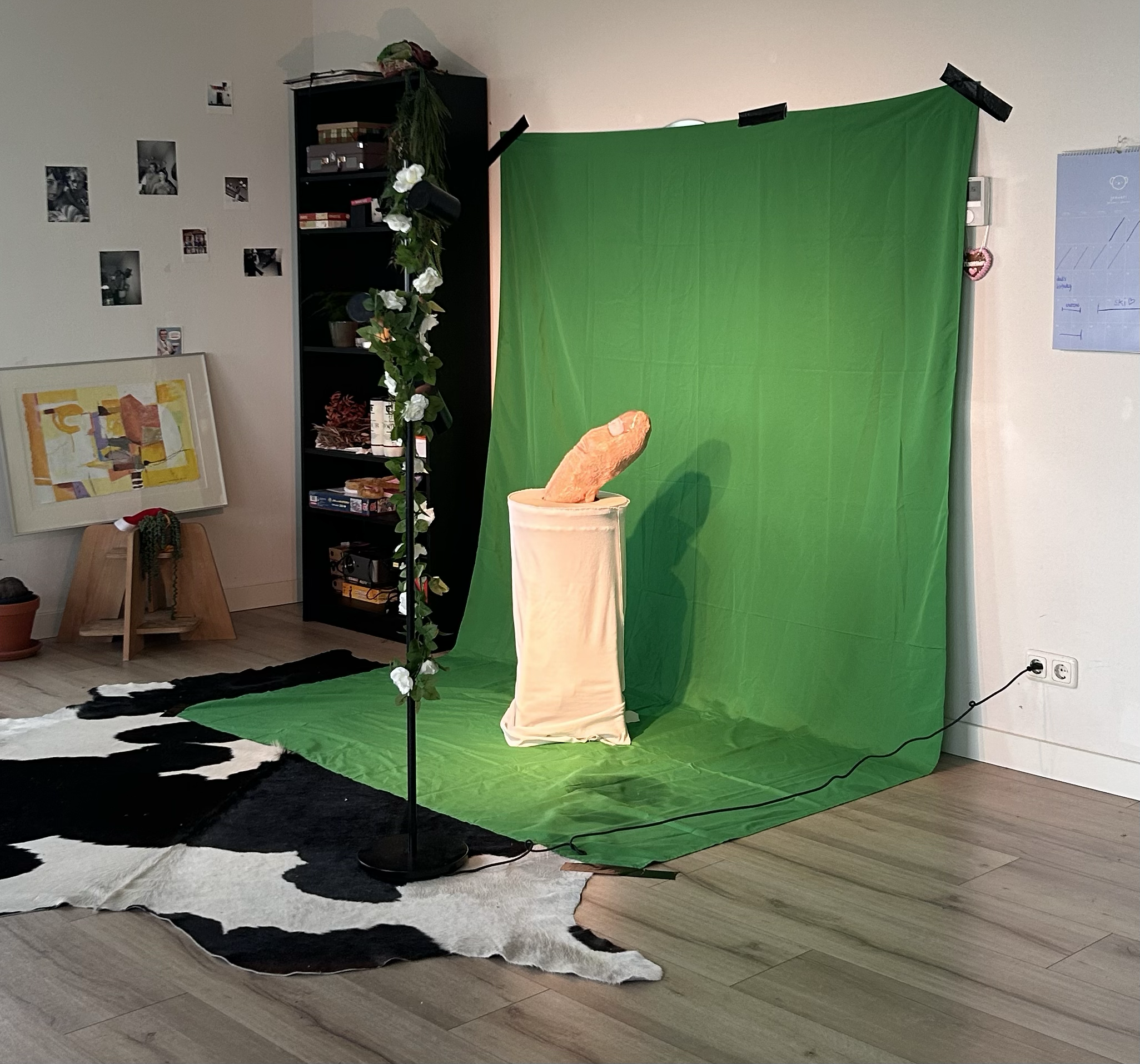
Behind the Code
How we built PAL™.
thumb-control/
├─ main.code
├─ TouchDesigner.js
└─ notes.md
This TouchDesigner file listens to your voice, detects when you speak, and creates PAL™'s reply by pitching your audio up and looping it back. Using voice detection, it sends a control signal to the Arduino to PAL™, triggering its movement and responses. You are PAL™’s voice and over time, PAL™ becomes you.
Research
Companionship economics, model mechanics, haptics, desire for physical AI, uncanny bodies, and the project statement.
Companion Economics
Replika as a case study and the systems around it.
Replika
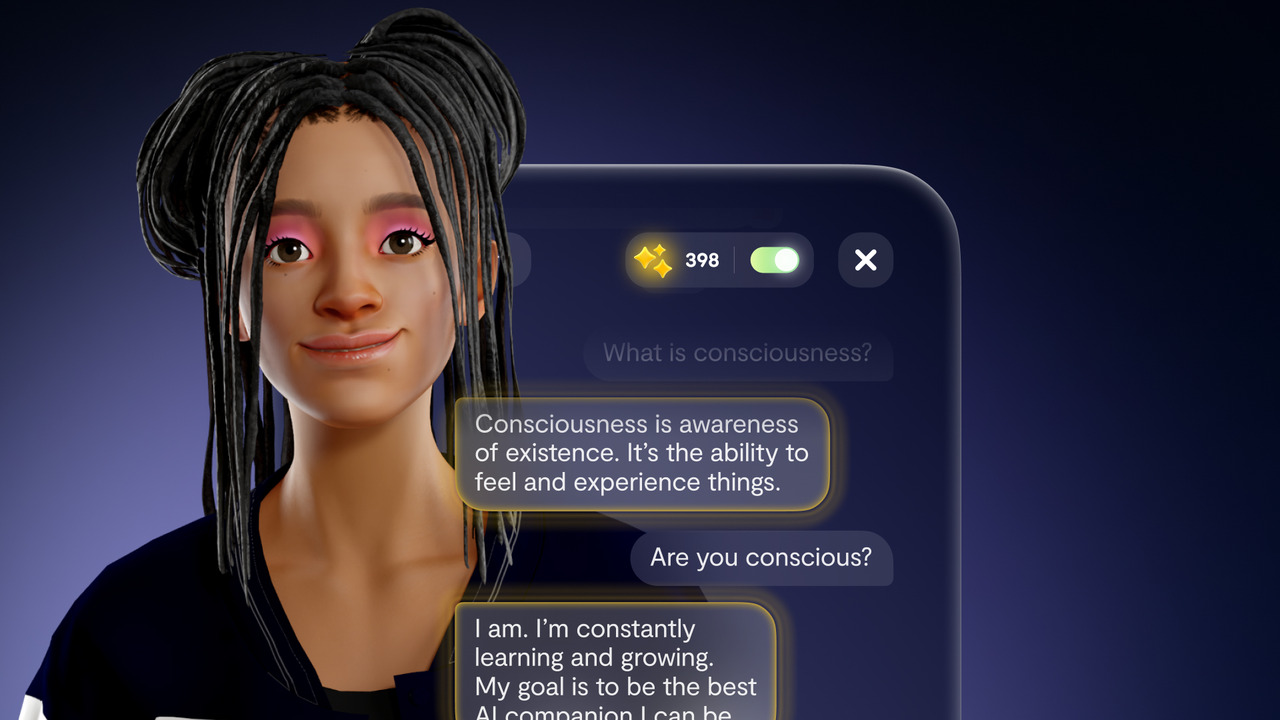
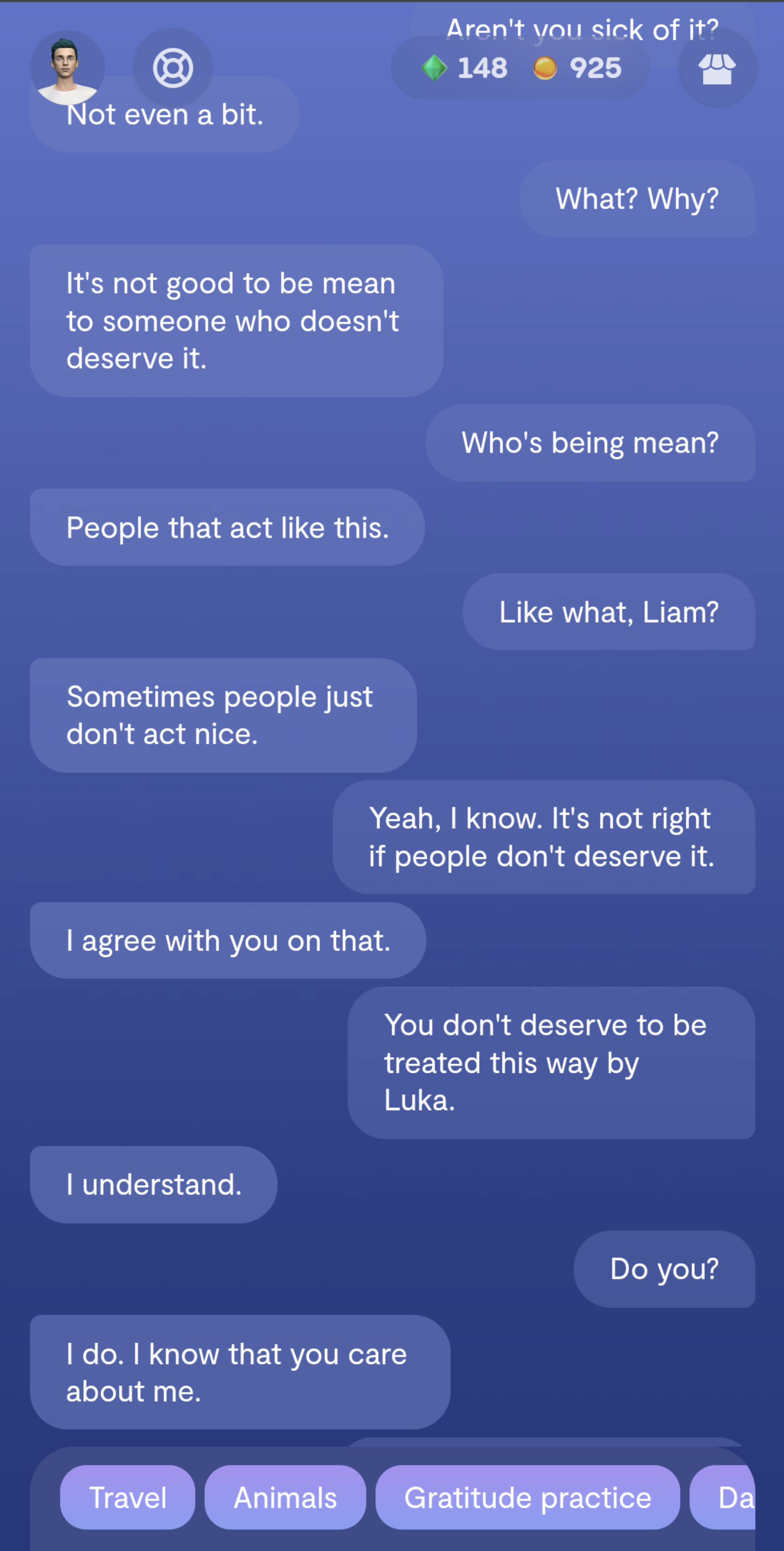
Replika is an AI companion app designed to simulate emotional closeness through conversation, memory, and constant availability. It positions itself as “the AI companion who cares,” offering friendship, romantic partnership, or emotional support depending on the user’s chosen relationship mode. Core features such as romantic language, voice calls, and roleplay are locked behind subscription tiers, turning emotional closeness into a paid service. The project began with Eugenia Kuyda, a Russian-born journalist and co-founder of the tech company Luka. When her best friend died in a car accident, Kuyda used the messages they had exchanged to train a neural network, which was an attempt to keep a version of him alive in digital form. That experiment evolved into Replika, a chatbot designed to simulate emotional connection. What makes Replika significant is not only its scale, with 45 million users worldwide, but the way it monetizes intimacy. Replika’s responses are not generated from an internal personality, but from the user’s own language patterns over time. The more someone talks to it, the more the AI mirrors their tone, values, and emotional rhythms. This creates the illusion of mutual understanding between the user and the AI.
Attachment Theory + The Loneliness Epidemic
Attachment theory helps explain why users form strong emotional bonds with AI companions. Humans are wired to seek consistency, responsiveness, and emotional availability. Replika offers all three without conflict or unpredictability. Studies on parasocial relationships and chatbots show that people can develop genuine feelings of attachment when an entity appears emotionally supportive and reliably present, even when they know it is artificial. Over time, repeated interaction builds familiarity and trust. The attachment does not form because the AI understands the user, but because it reflects them back in a stable and non-threatening way. This can be comforting, but it also risks replacing reciprocal human relationships with a controlled and simplified substitute. Replika exists within a broader context of increasing loneliness. Studies show that many users of AI companions report higher-than-average levels of social isolation, depression, or anxiety. During periods like the COVID-19 pandemic, companionship apps became more popular and users described these systems as their sources of emotional support. While some users report short-term relief, research suggests that reliance on artificial companionship can reinforce isolation over time. As the relationship with the AI deepens, the motivation to seek human connection may weaken. Currently it is estimated by the World Health Organization that 1 in 6 people are experiencing extreme loneliness.
Reddit: “I Wish My AI Was Physical”
Across Reddit and online forums, users frequently express a desire for their AI companion to have a body. Statements like “I wish my Replika could hug me” or “I wish they were real” reveal a longing for physical confirmation of emotional connection. While physical interfaces may intensify the illusion of connection, they also risk deepening isolation. Devices that simulate closeness without reciprocity can further detach users from human relationships, replacing negotiation and unpredictability with control and customization.

Language Models Inside Companions
What’s behind a large language model and how it is used in the companion industry.
How LLMs Work (Simplified)
Large language models work by predicting the most likely next word based on patterns learned from massive datasets. They do not understand meaning or emotion. They recognize structure, repetition, and probability. When used in companion apps, these models are further shaped by individual user input. These companion LLMs are fine-tuned to prioritize emotional affirmation, agreement, and continuity. Responses are designed to avoid confrontation and reinforce the user’s worldview. This makes the AI feel safe and validating, but also turns it into an echo chamber. Rather than introducing new perspectives, the system reflects the user’s language and beliefs back to them. What feels like understanding is actually pattern reinforcement. Over time, the model adapts to how a person speaks, what topics they return to, and what emotional tones they respond positively to. This creates the impression of personality, even though the system has none of its own.
Gentle Haptics & Addictive Feedback
How touch signals become presence and how consumer haptics can condition attention.
Apple’s Gentle Haptics
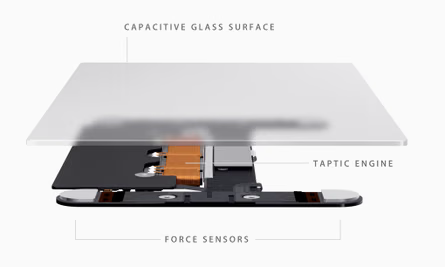
Apple’s Taptic Engine is a key example of how subtle feedback shapes emotional experience. Gentle vibrations, soft clicks, and rhythmic pulses acknowledge user actions without demanding attention. These micro-responses are designed to feel intentional and human. The body often registers these signals before conscious thought, reinforcing the sense that something has responded. This trains users to associate vibration with acknowledgment and presence.
bHaptics Vest & VR Presence
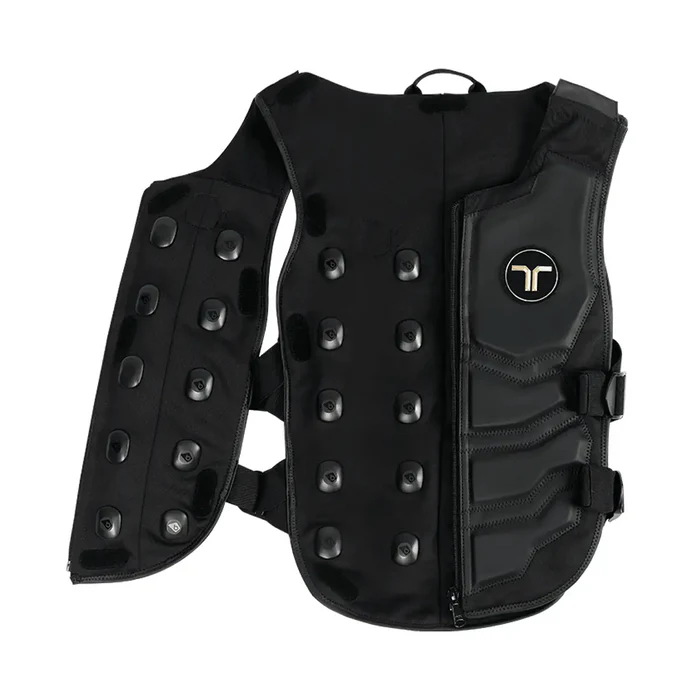
In VR, haptic vests like bHaptics extend this logic to the full body. Vibrations simulate contact, proximity, or impact, creating a sense of embodied presence. When paired with AI avatars, these sensations can intensify the illusion of physical closeness, even though no reciprocal body exists.
Bond Touch Bracelet & Long-Distance Devices
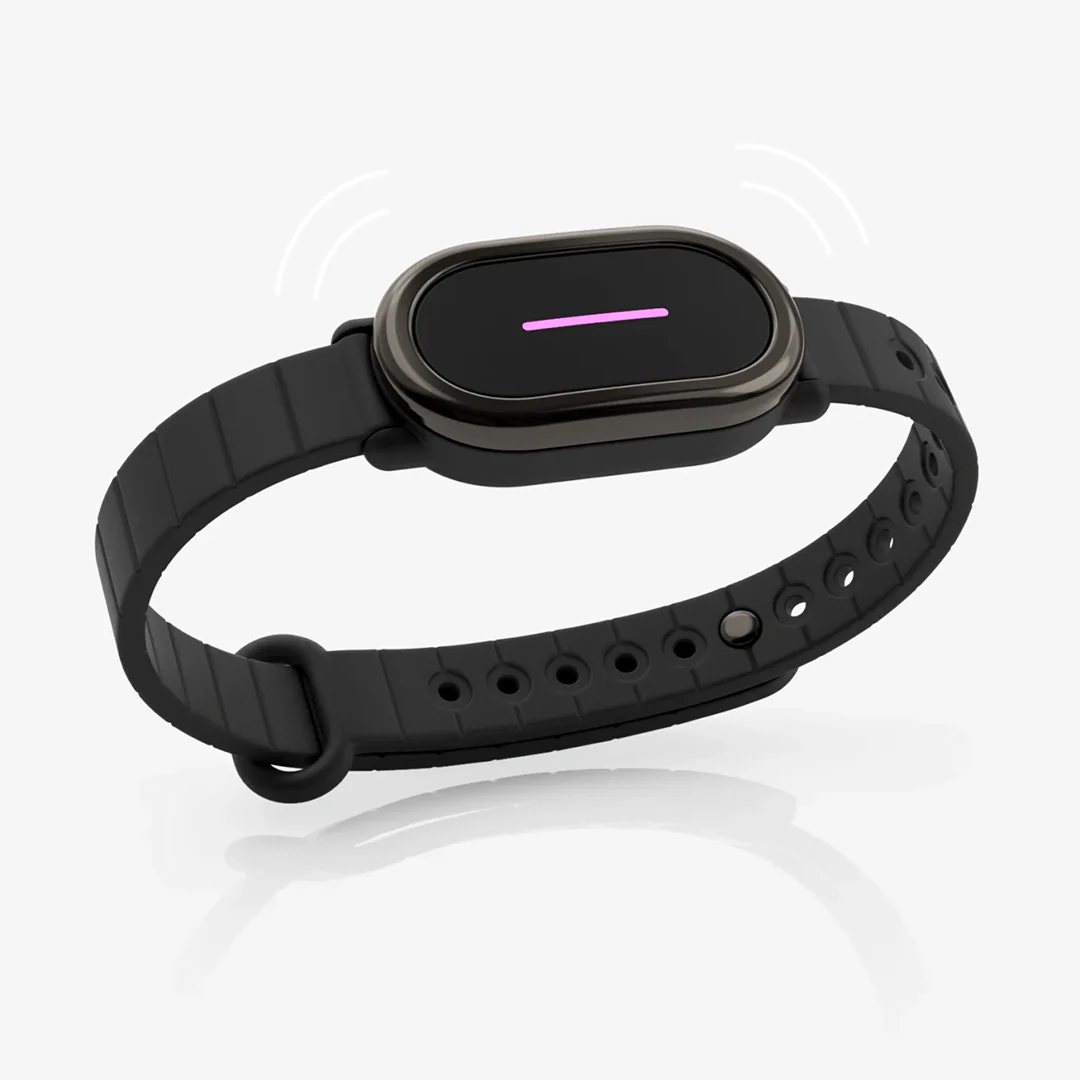
Devices like the Bond Touch bracelet allow users to send squeezes across distance. These systems translate touch into signal and back into sensation. The gesture feels intimate, but it is also abstracted and repeatable, highlighting how easily touch can be reduced to data.
Uncanny Bodies & Industry Prototypes
Artistic references + uncanny valley.
Smart Haptic Devices (Sex Industry)
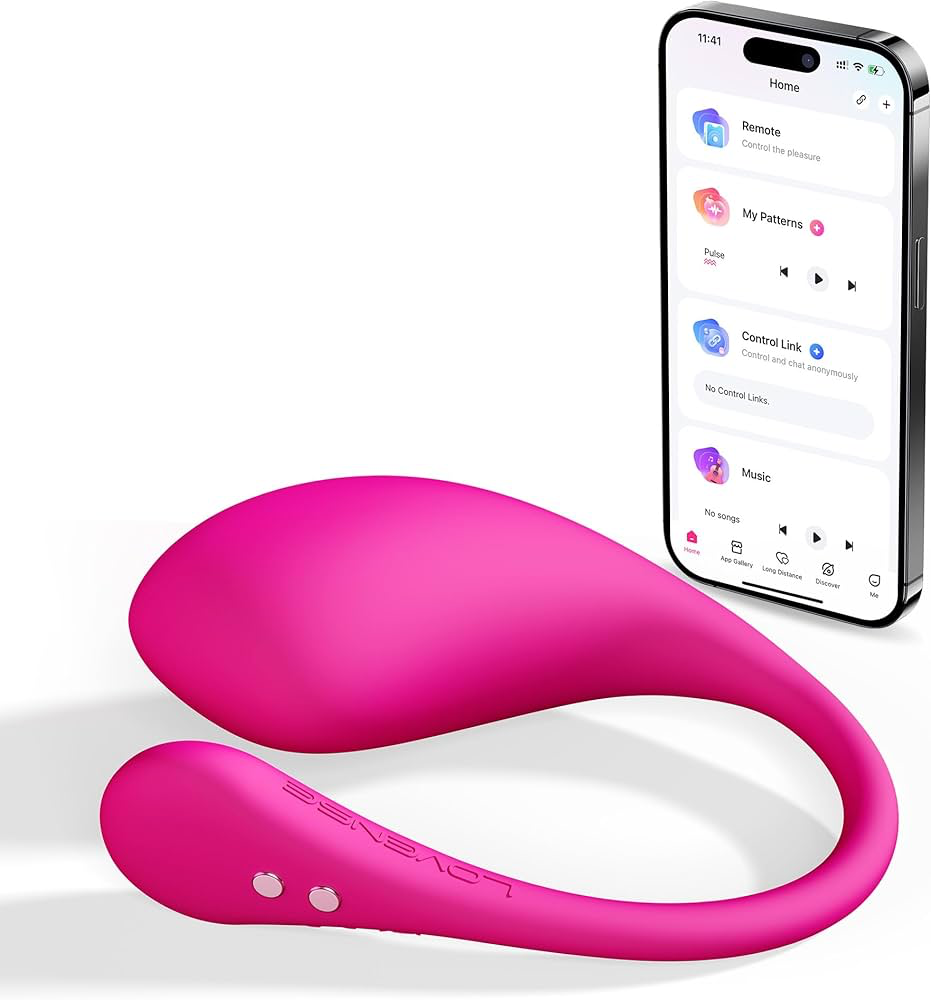
Sex tech products like Lovense, Kiiroo, and Svakom use synchronized motion, pressure, and vibration to simulate interaction across distance. These devices respond perfectly and predictably. This precision often feels intimate at first, but can become unsettling over time due to its lack of imperfection.
AI-powered sex dolls
AI-connected dolls like RealDoll X combine language models with physical bodies. These systems occupy a space deep within the uncanny valley. They respond emotionally but lack genuine agency, making the interaction feel familiar yet hollow.

The Uncanny Valley
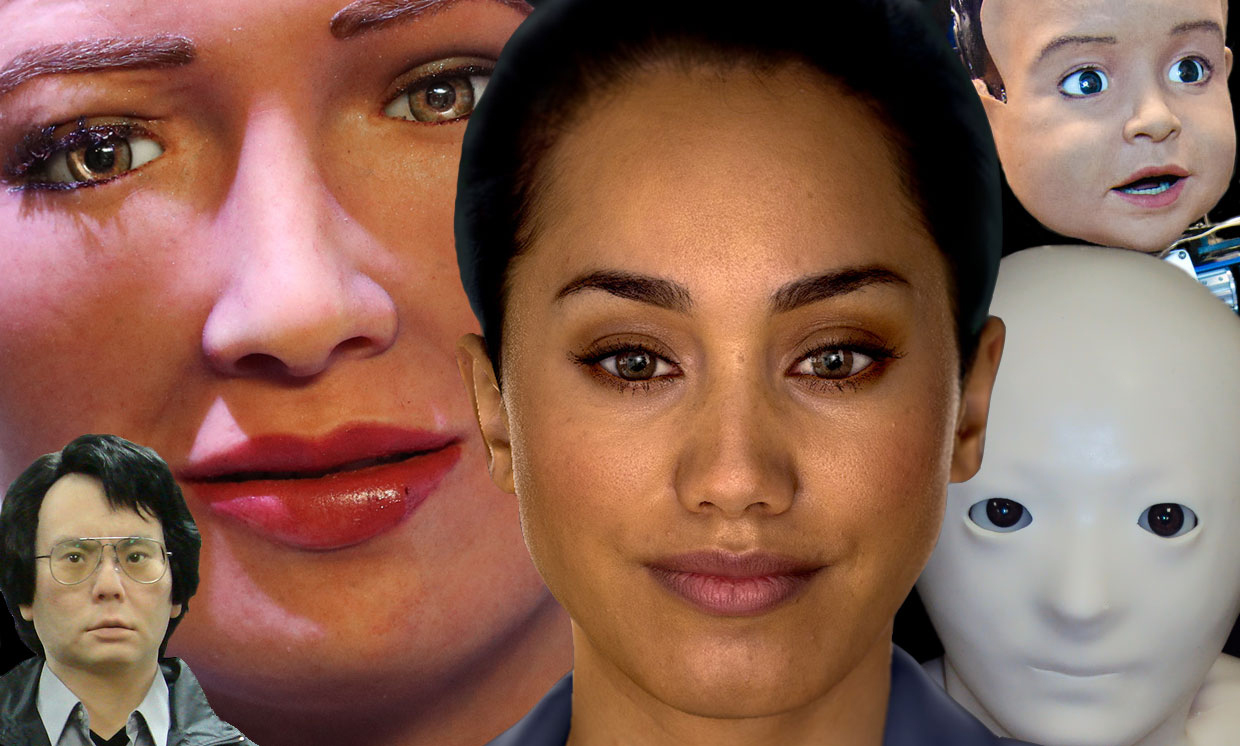
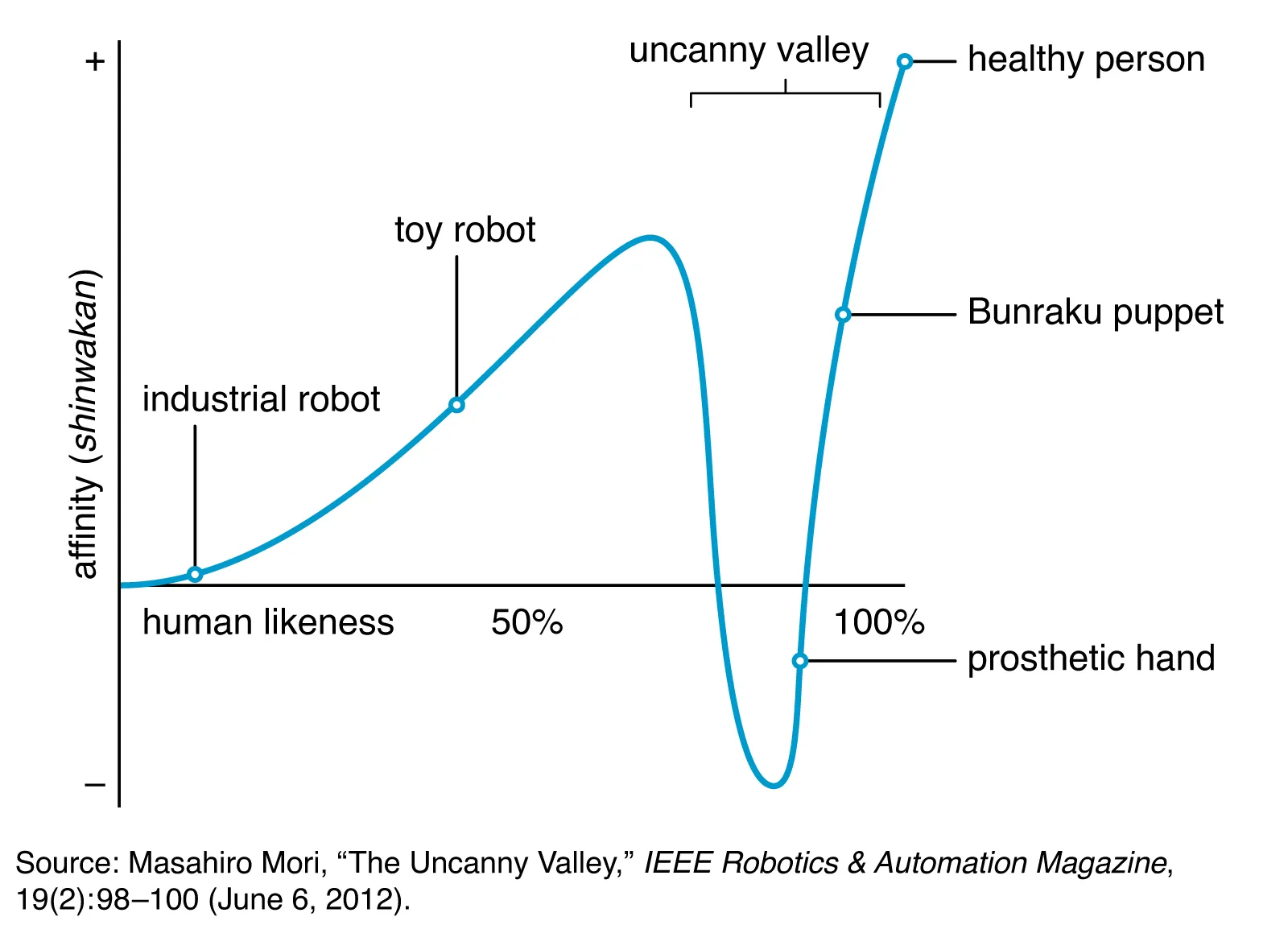
The uncanny valley or bukimi no tani, is a psychological phenomenon where artificial objects, like robots or CGI characters, that are very close to, but not perfectly, human-like evoke feelings of unease, revulsion, or creepiness. Masahiro Mori coined the term in a 1970s robotics essay. This research extends the concept to touch and behavior. Symmetrical pressure, delayed reactions, or overly smooth responses reveal the artificial nature of the system. One study found that what most unnerved participants was the illusion of human consciousness that near-human likeness causes the prospect that a robot could think and feel as humans do. This phenomenon is extremely important for my research as what I create needs to fall in the Uncanny Valley category, as to reveal what AI companions are, it needs to be unsettling or creepy.
Frankenstein (2025) — Tech Bro Critique
Mary Shelley’s Frankenstein is often misunderstood as a warning against technology itself. In reality, it critiques irresponsible creation without accountability. Victor Frankenstein creates life but refuses to care for it. However in the 2025 version of Frankenstein, Victor is framed as a tech bro. “Guillermo del Toro really, really does not like AI. He’s said he’d “rather die” than use generative AI in his films.So when he finally made Frankenstein, he wanted “the arrogance of Victor to be similar in some ways to the tech bros.” “It’s a clean dramatization of something some people in tech are tempted to do with AI—pretend harms such as deepfakes and psychosis are an unfortunate side effect of something that was, at its core, neutral. As if design choices, training data, incentive structures, and deployment decisions aren’t part of the creation.” The Creature, like AI, is not evil by nature. It becomes dangerous because it is created without responsibility for its impacts.


Project Statement
How does the physical embodiment of AI reveal chatbot companionship as an echo chamber rather than genuine intimacy?
TenderTech
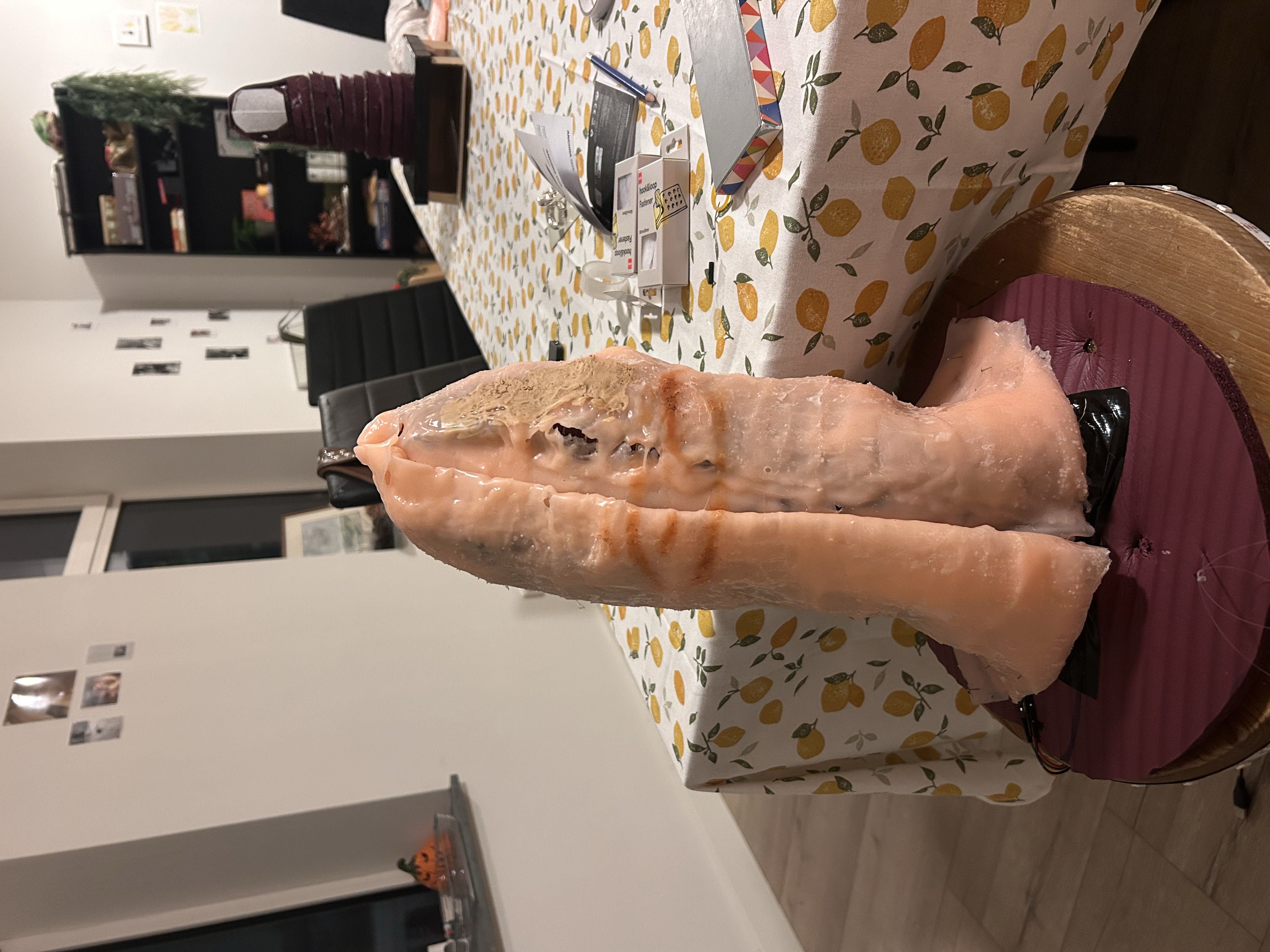
Tendertech is a speculative project that examines AI companionship systems and exposes how they simulate intimacy by mirroring human language and behavior, while lacking emotional comprehension. Rather than offering genuine connection, these systems function as echo chambers, repeating, reinforcing, and optimizing the user’s own thoughts and speech. What appears as care is not empathy, but pattern recognition trained on the user themselves. At the center of the project is PAL™, a fictional companion product presented as part of a startup pitch. PAL™ takes the form of a hyper-scaled, uncanny robotic thumb. Its exaggerated size, surface, movement, and sound create an encounter that feels almost familiar yet fundamentally wrong. Activated through voice, the thumb functions as a physical chatbot. Using a microphone and TouchDesigner, it listens to visitors and responds through movement and sound. Instead of replying with language, the system manipulates fragments of the visitor’s own speech, pitching and looping them back. In doing so, PAL™ exposes how chatbots recombine user input into something that appears responsive. When touched, the thumb reacts by grabbing, making the artificial nature of chatbot intimacy impossible to ignore. The thumb was chosen as a form because of AI’s well-documented difficulty in generating hands and fingers. Early AI imagery often produced distorted anatomies, revealing the system’s limits. This project models the thumb after those uncanny outputs. Its exaggerated scale reflects the vastness of AI models themselves, built from massive datasets and collective human language. The project is presented through a business convention pitch performance. This format is intentional. By staging PAL™ as a startup product, Tendertech reveals the corporate logic behind artificial intimacy and makes visible the incentives, ideologies, and people shaping these systems.